
Sourced
Every regulatory statement links back to its source: the French Internal Security Code (Code de la sécurité intérieure), the Labour Code, the industry's collective agreement, official websites. The links are at the bottom of every guide.
Guides & advice
How many guards, at what price, under what obligations, and what a guard is actually allowed to do. Practical, sourced answers, written by people who work the posts themselves.
12 guides 7 categories Last updated on
 Featured · Private receptions
Security guard for a wedding: do you need one, how many, and at what price?
Nothing requires a security guard for a wedding, unless the venue or your insurer demands one. In practice, for 80 to 250 guests at a country venue, two guards in plain clothes are almost always enough: one on the door during arri…
Read the guide
Private receptions
Security guard for a wedding: do you need one, how many, and at what price?
Nothing requires a security guard for a wedding, unless the venue or your insurer demands one. In practice, for 80 to 250 guests at a country venue, t…
Featured · Private receptions
Security guard for a wedding: do you need one, how many, and at what price?
Nothing requires a security guard for a wedding, unless the venue or your insurer demands one. In practice, for 80 to 250 guests at a country venue, two guards in plain clothes are almost always enough: one on the door during arri…
Read the guide
Private receptions
Security guard for a wedding: do you need one, how many, and at what price?
Nothing requires a security guard for a wedding, unless the venue or your insurer demands one. In practice, for 80 to 250 guests at a country venue, t…
 The profession
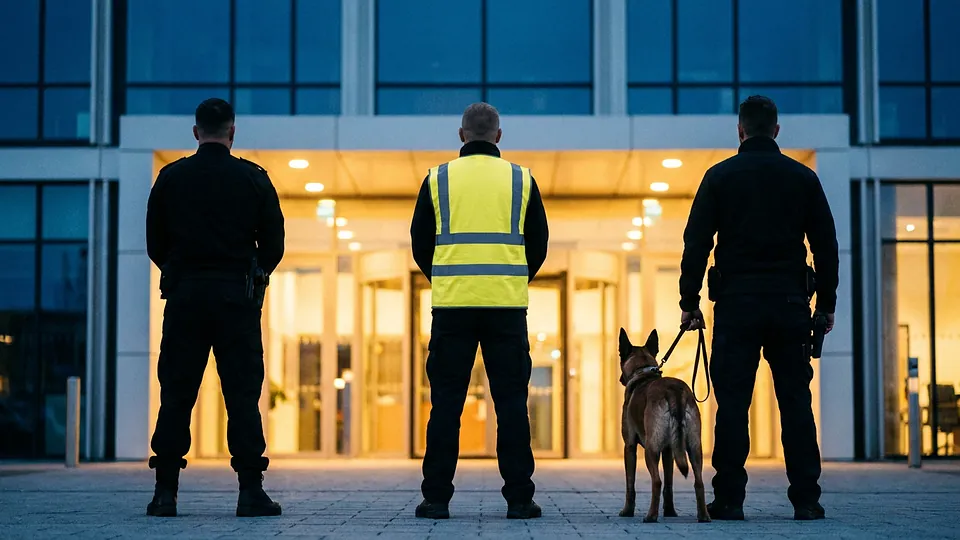
Security guard, vigile, SSIAP, dog handler, team leader: what are the differences?
“Vigile” isn’t a job title: it’s the everyday French word for the agent de prévention et de sécurité — the licensed security guard, also called APS or…
The profession
Security guard, vigile, SSIAP, dog handler, team leader: what are the differences?
“Vigile” isn’t a job title: it’s the everyday French word for the agent de prévention et de sécurité — the licensed security guard, also called APS or…
 Events
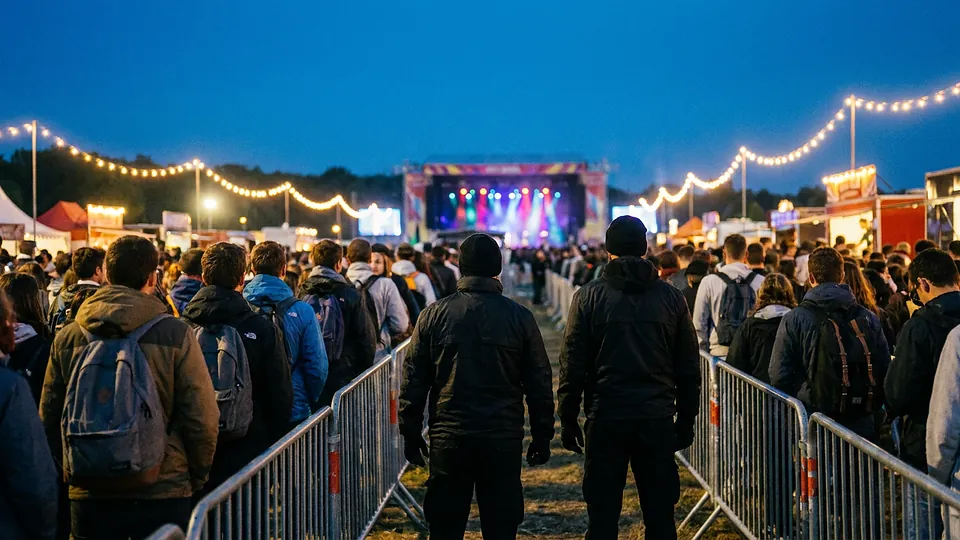
How many security guards for an event? The method for working it out
No regulation imposes a ratio along the lines of “one guard per 100 people”. The right headcount is calculated from peak attendance (not total capacit…
Events
How many security guards for an event? The method for working it out
No regulation imposes a ratio along the lines of “one guard per 100 people”. The right headcount is calculated from peak attendance (not total capacit…
 Events
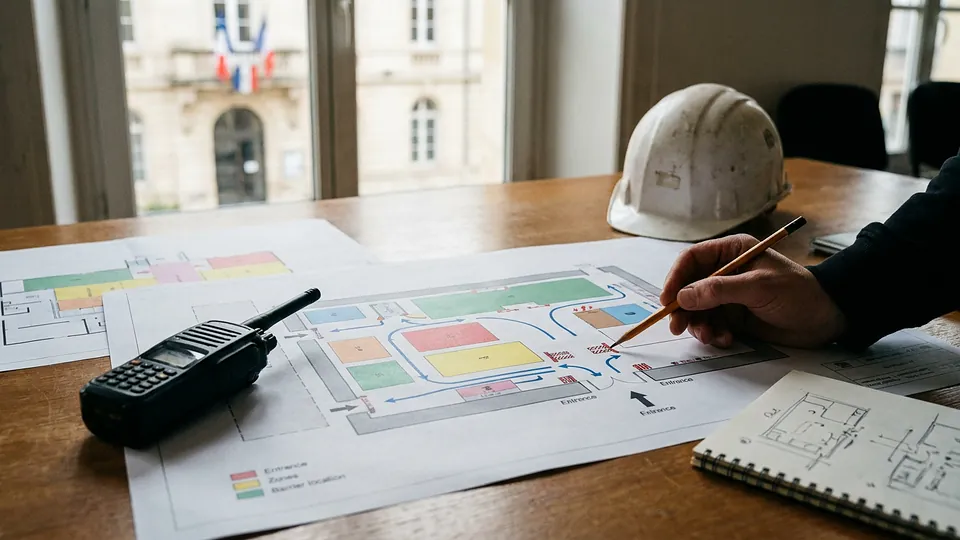
Declaring an event to the town hall or prefecture: thresholds, deadlines, safety file
Three regimes apply. (1) Sporting, recreational or cultural events run for profit with more than 1,500 people must be declared to the mayor — to the P…
Events
Declaring an event to the town hall or prefecture: thresholds, deadlines, safety file
Three regimes apply. (1) Sporting, recreational or cultural events run for profit with more than 1,500 people must be declared to the mayor — to the P…
 Retail
Shrinkage: what a security guard really changes in a shop
Shrinkage — the gap between theoretical stock and actual stock — commonly runs at 1 to 2% of turnover, a large share of which comes from shoplifting a…
Retail
Shrinkage: what a security guard really changes in a shop
Shrinkage — the gap between theoretical stock and actual stock — commonly runs at 1 to 2% of turnover, a large share of which comes from shoplifting a…
 Businesses & sites
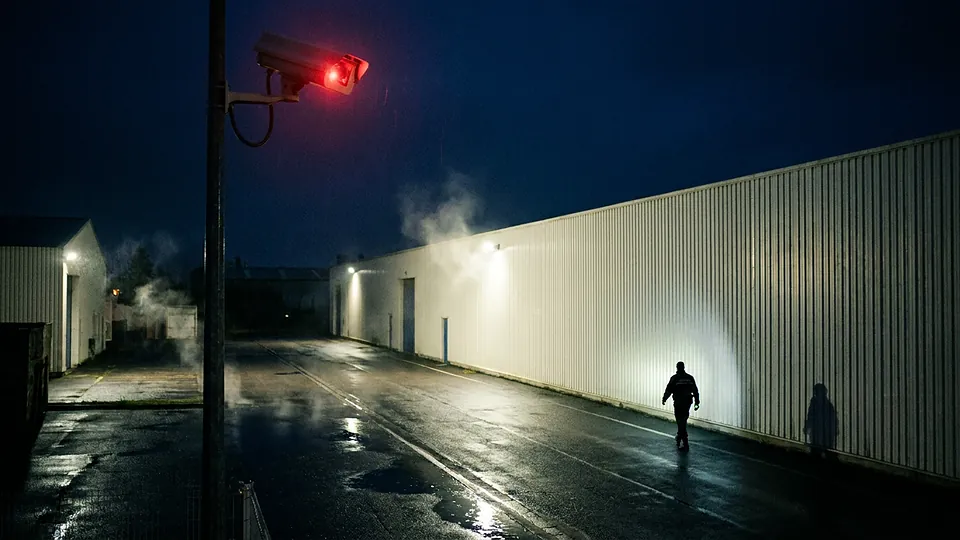
Manned guarding or remote monitoring: how to protect a site, and at what cost
Remote monitoring detects at a distance and at low cost, but does nothing on site: it tells you a contact has opened, not whether it is an intruder, a…
Businesses & sites
Manned guarding or remote monitoring: how to protect a site, and at what cost
Remote monitoring detects at a distance and at low cost, but does nothing on site: it tells you a contact has opened, not whether it is an intruder, a…
 Events
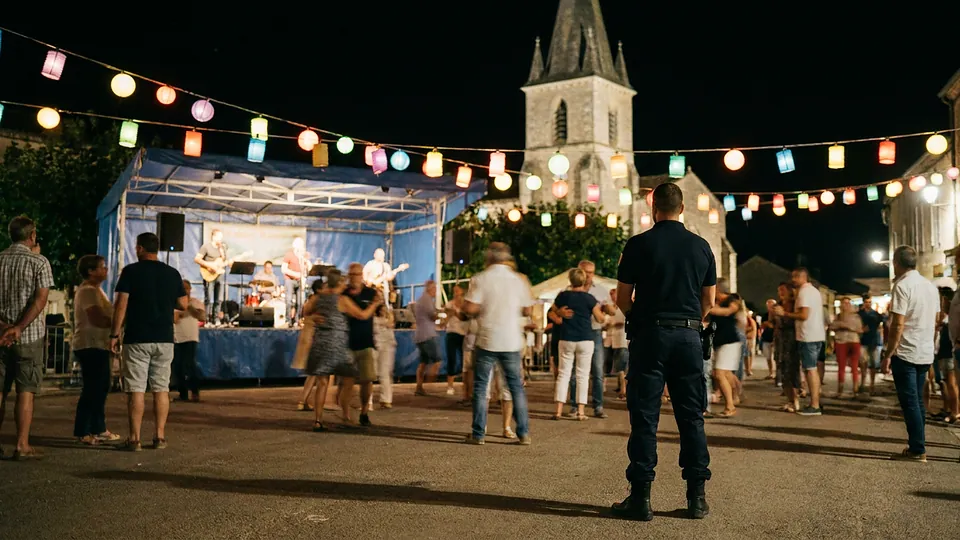
Village fête, dance, fireworks: the organiser's security obligations
For a village fête or dance, the organiser must obtain the mayor's authorisation (use of public land, plus an order setting the hours and requirements…
Events
Village fête, dance, fireworks: the organiser's security obligations
For a village fête or dance, the organiser must obtain the mayor's authorisation (use of public land, plus an order setting the hours and requirements…
 Regulations
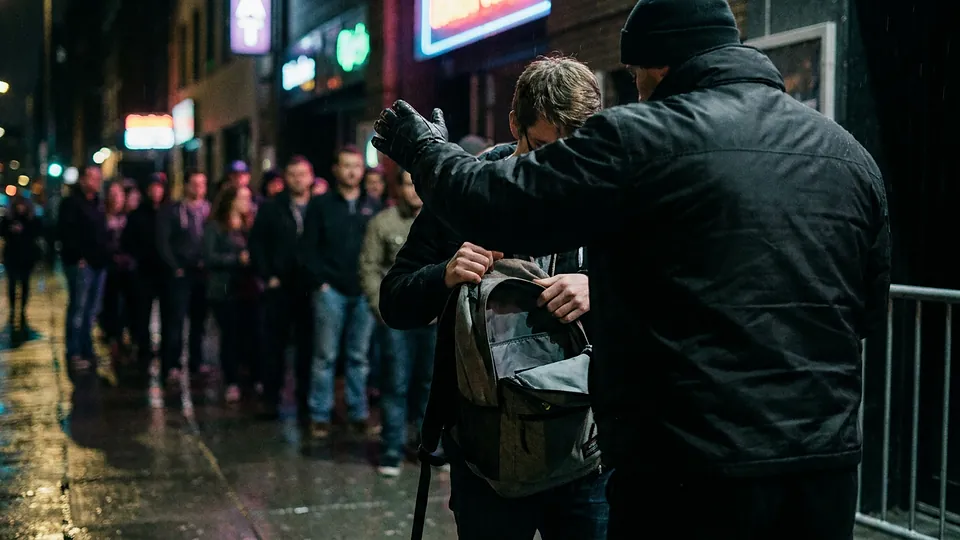
Pat-down, search, visual inspection: what a security guard is allowed to do
A private security guard can visually inspect a bag — you open it, they look without touching — and, with your agreement, search it. A security pat-do…
Regulations
Pat-down, search, visual inspection: what a security guard is allowed to do
A private security guard can visually inspect a bag — you open it, they look without touching — and, with your agreement, search it. A security pat-do…
 Businesses & sites
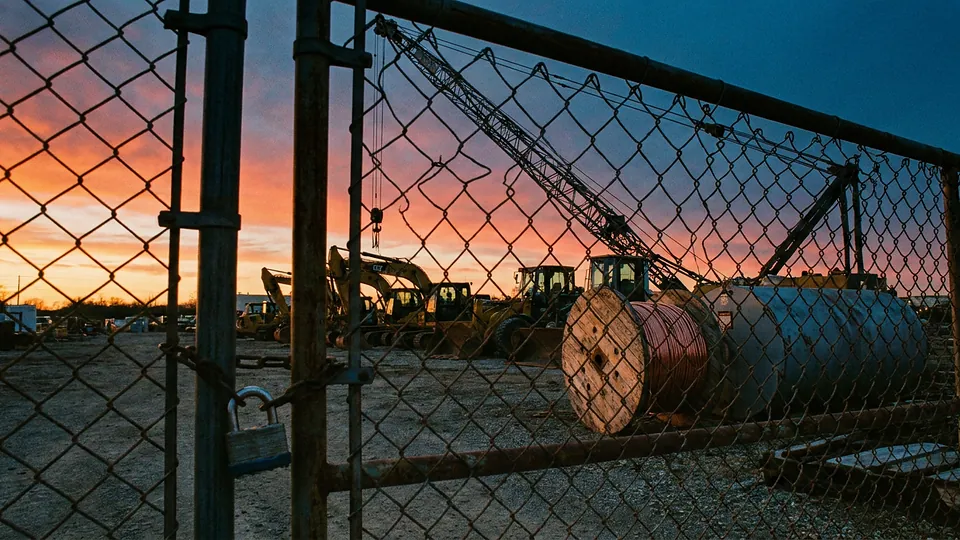
Construction site theft: how to protect machinery, copper cable and fuel
Theft on construction sites mostly happens between Friday evening and Monday morning, over long weekends and the August shutdown. The targets: fuel fr…
Businesses & sites
Construction site theft: how to protect machinery, copper cable and fuel
Theft on construction sites mostly happens between Friday evening and Monday morning, over long weekends and the August shutdown. The targets: fuel fr…
 Regulations
Subcontracting security: the client's joint and several liability
When you buy a security service worth €5,000 excl. VAT or more, the French Labour Code (Code du travail) requires you to check, at signature and then …
Regulations
Subcontracting security: the client's joint and several liability
When you buy a security service worth €5,000 excl. VAT or more, the French Labour Code (Code du travail) requires you to check, at signature and then …
 Public buildings & local authorities
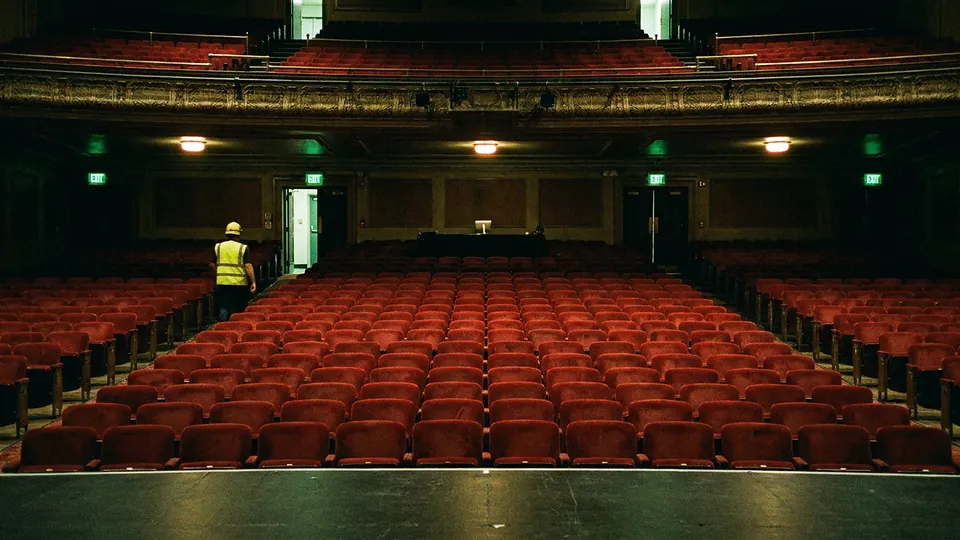
ERP: when is an SSIAP officer mandatory?
The requirement depends on the type of your public-access building (L for performance and meeting halls, M for shops, X for covered sports facilities,…
Public buildings & local authorities
ERP: when is an SSIAP officer mandatory?
The requirement depends on the type of your public-access building (L for performance and meeting halls, M for shops, X for covered sports facilities,…
 Regulations
How to check that a private security company is properly licensed: CNAPS, URSSAF, insurance
Five checks are enough: (1) the company holds an operating authorisation issued by CNAPS, whose number appears on its quotes and invoices; (2) each gu…
Regulations
How to check that a private security company is properly licensed: CNAPS, URSSAF, insurance
Five checks are enough: (1) the company holds an operating authorisation issued by CNAPS, whose number appears on its quotes and invoices; (2) each gu…
No guides in this category yet.
01 · Why these guides
Many disputes in private security start with a misunderstanding — over how many guards are actually needed, what a guard is allowed to do, or what an hour of service really costs. These guides lay the groundwork, so the quote that follows is that much fairer.
Every regulatory statement links back to its source: the French Internal Security Code (Code de la sécurité intérieure), the Labour Code, the industry's collective agreement, official websites. The links are at the bottom of every guide.
Written by the LG Sécurité team under the responsibility of Richard Le Goff, president. These are the questions our clients ask us, and the answers we give them.
Regulation keeps moving — the minimum shift length, collectively agreed pay rises, reporting thresholds. The update date appears at the top of every guide.
Ask us directly: we reply within 24 working hours, and your answer might end up in a future guide.