Patrols on large sites
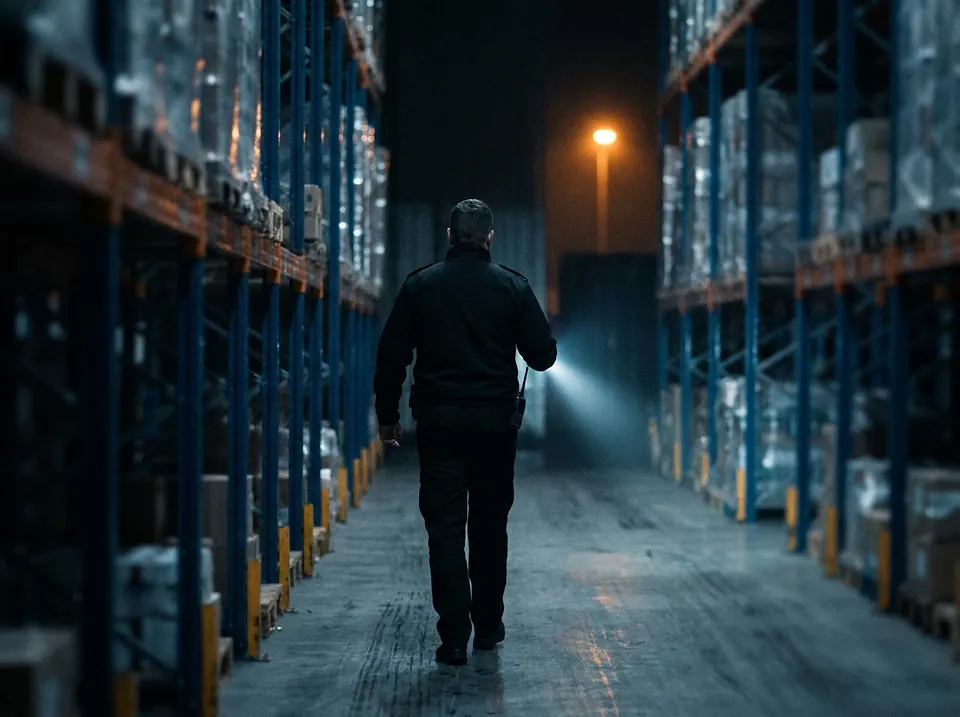
Logistics sites with long perimeter fencing, distribution platforms, disused industrial land: the team patrols the perimeter and detects any presence, even a hidden one.
Service
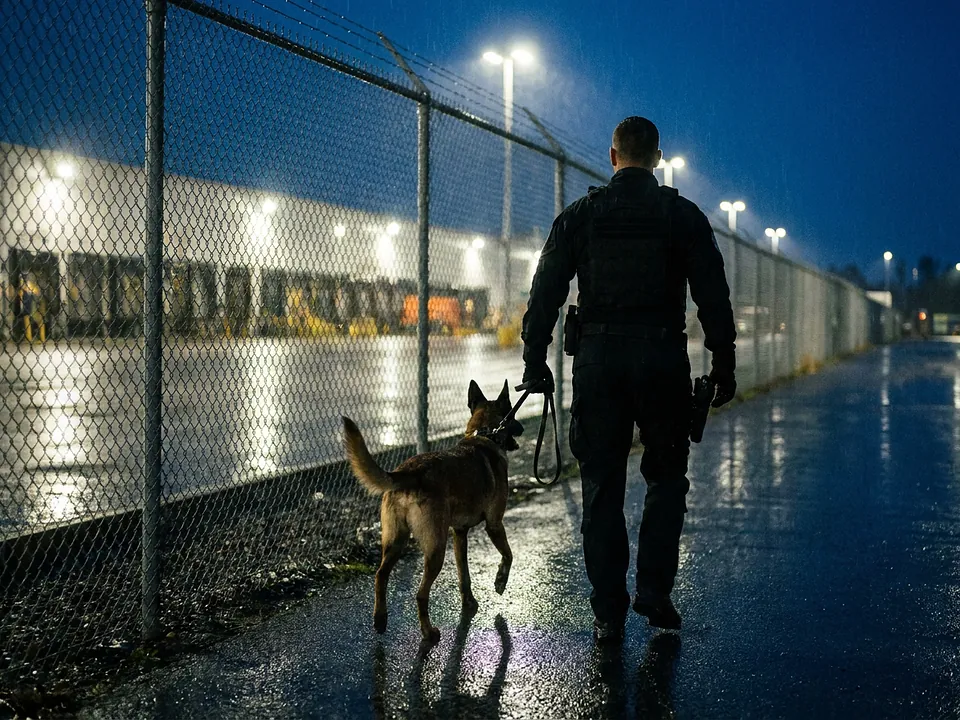
On a large site that is poorly lit or hard to access, a guard on his own cannot see what is happening two hundred metres away. A dog can. The dog-handler team detects a presence before it is seen and deters like no other human resource. We deploy it alongside a standard set-up, subject to the availability of qualified handlers.
01 · Duties
The dog is not a means of restraint. It is a sensor and a signal, which changes the behaviour of anyone approaching.
Logistics sites with long perimeter fencing, distribution platforms, disused industrial land: the team patrols the perimeter and detects any presence, even a hidden one.
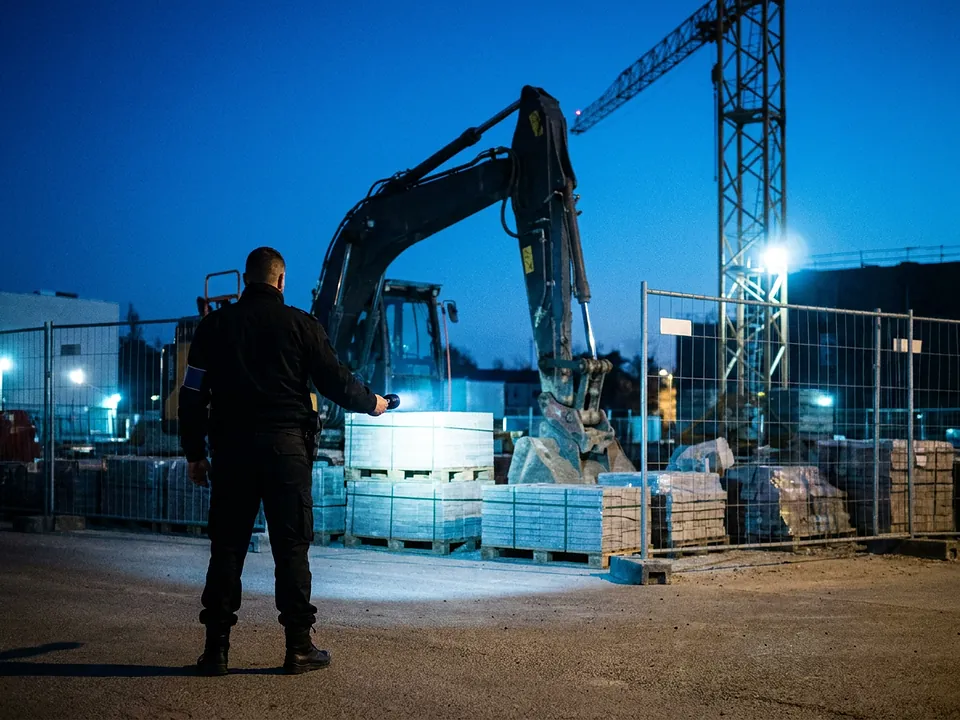
Machinery scattered about, materials, buildings standing idle: the dog’s presence deters organised theft and illegal occupation.
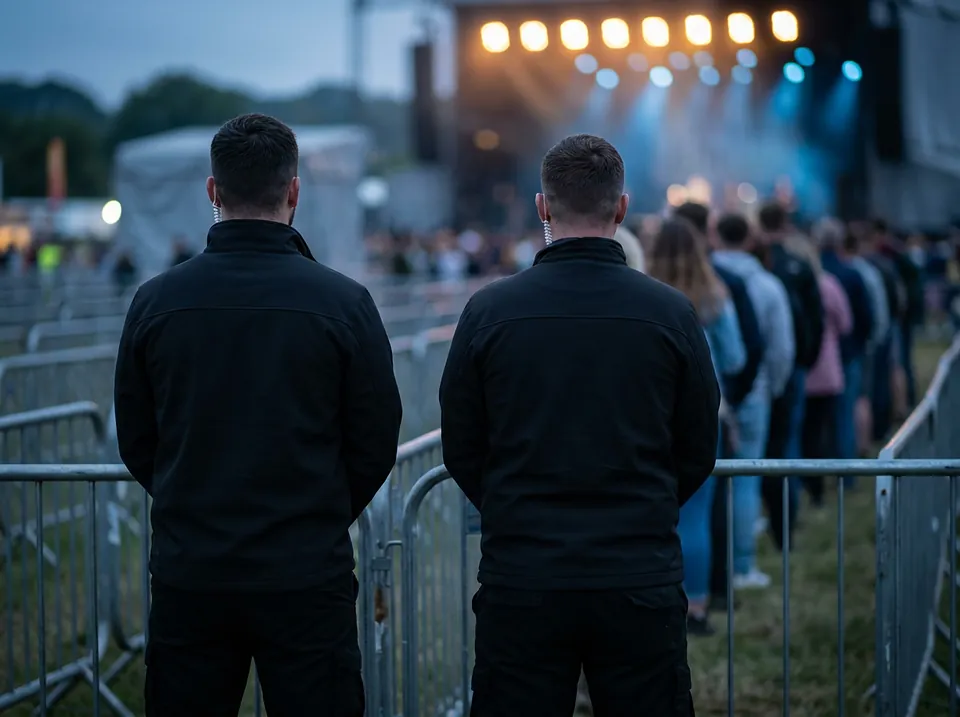
Campsite areas, car parks and the approaches to a festival at night: watching over tents and vehicles, preventing theft, a reassuring presence for festival-goers.
A deterrent presence at a site entrance, alongside standard access control, when a risk of intrusion has been identified.
Bank-holiday bridges, long weekends, annual shutdowns: the team covers the periods when the site is empty and the perimeter too long for a guard on foot.
The team is added to a static post or an event security team, under the authority of the team leader, with its own instructions.
02 · Sizing
A badly used dog is a risk, not a protection. We apply four rules, without exception.
The team makes sense on a large site that is poorly lit or exposed to organised intrusion. In a reception lobby or a shop, it does not, and we will tell you so.
Kept on a lead, muzzled if the instructions or the site require it, never set loose on a person, never left alone. It detects and deters; it does not restrain.
Breaks, water, shelter, a suitable vehicle, and a shift length matched to the effort required. A tired dog stops detecting anything.
Areas to patrol, areas off-limits to the dog, what to do when a presence is detected, liaison with the team leader and the police. Written and agreed before the assignment.
03 · Real-world examples
A team on night patrol covers a perimeter that two guards on foot could not hold, and detects a presence at the loading bays before a shipment disappears.
The campsite is the weak point of most festivals: thefts from tents, forced vehicles, intrusions from the neighbouring field. The team brings detection and deterrence there without aggression.
Kilometres of site, machinery parked far from any light: the dog picks up a presence at a distance, and the mere presence of the team makes fuel-theft gangs think twice.
04 · Frequently asked questions
The questions that come up most before booking this service. If yours isn't here, ask us: reply within 24 working hours.
No. The dog stays under its handler’s constant control, kept on a lead; it is there to detect and deter, never to restrain. Using the dog as a means of coercion would expose the handler and the company to liability, and us to you.
Working-breed dogs, identified, vaccinated, assessed and monitored, led by a handler who holds the CNAPS professional licence with the dog-handling endorsement, obtained after training specific to the dog-handler team. We provide supporting documents on request.
20 to 50% more per hour, which reflects the dual skill set and the cost of keeping the animal. On a large perimeter, it often replaces a second guard and so works out cheaper than an equivalent foot-patrol set-up. See our price guide.
Never. A dog shut up and left alone on a site is neither legal, nor safe, nor effective. The team cannot be split up: the handler leads the dog, observes, raises the alarm and reports back.
The dog-handling service is offered on request, subject to the availability of qualified handlers. Let us know as soon as you have a date; for an urgent need, we will tell you honestly whether we can meet the deadline or whether another set-up is needed.
05 · Where we operate
We cover Burgundy-Franche-Comté and the Rhône, with guards based across these areas. Check your area's page for the full list of towns covered.
 The profession
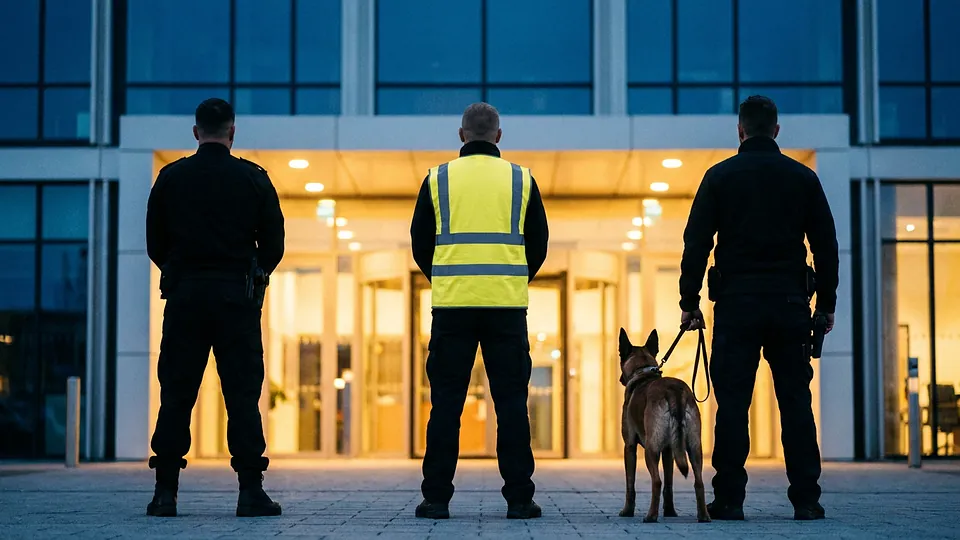
Security guard, vigile, SSIAP, dog handler, team leader: what are the differences?
“Vigile” isn’t a job title: it’s the everyday French word for the agent de prévention et de sécurité — the licensed security guard, also called APS or…
The profession
Security guard, vigile, SSIAP, dog handler, team leader: what are the differences?
“Vigile” isn’t a job title: it’s the everyday French word for the agent de prévention et de sécurité — the licensed security guard, also called APS or…
 Businesses & sites
Construction site theft: how to protect machinery, copper cable and fuel
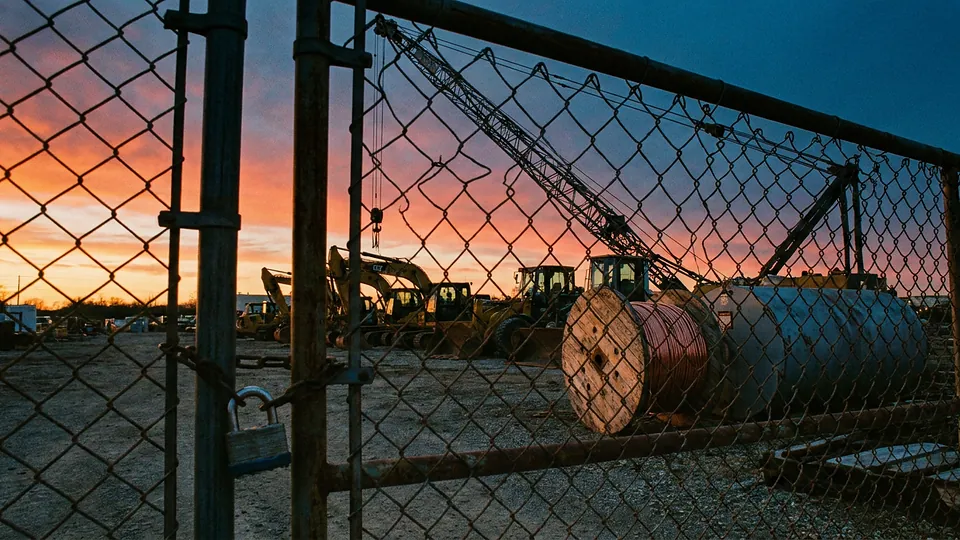
Theft on construction sites mostly happens between Friday evening and Monday morning, over long weekends and the August shutdown. The targets: fuel fr…
Businesses & sites
Construction site theft: how to protect machinery, copper cable and fuel
Theft on construction sites mostly happens between Friday evening and Monday morning, over long weekends and the August shutdown. The targets: fuel fr…
06 · Free quote
Describe the situation to us in a few lines. We come back to you within 24 working hours with a detailed quote, free and with no obligation.
Reply within 24 working hoursEven faster for requests flagged as urgent.
Detailed quoteNumber of guards, hours of cover, qualifications, premiums: it's all written down.
Supporting documents suppliedOperating authorisation, professional liability insurance, URSSAF compliance certificate.
Three questions, a detailed quote within 24 working hours. You then speak to the managing director, not a platform.